


Eco-conscious consumers and businesses are increasingly seeking alternatives to traditional materials that are environmentally damaging. One such alternative is PVC-free eco-banners, which are becoming more popular due to their eco-friendly nature. These banners are made from materials free of toxic substances such as phthalates, plasticisers, and stabilisers, which can contaminate the planet and harm animals and communities.
Polyester fabric banners are another popular option that is recyclable and environmentally friendly. Polyester banners can be recycled and reused, unlike PVC banners, which cannot be recycled due to the toxic chemicals used in their production. Polyester is a synthetic material that can be recycled multiple times without losing quality, making it a more sustainable choice than PVC. Additionally, dye-sublimation printing, used to create polyester banners, uses less ink and produces less waste than traditional printing methods.
While PVC-free eco-banners and polyester fabric banners are both environmentally friendly options, they have benefits and drawbacks. PVC-free banners are more flexible and durable, making them ideal for outdoor use, while polyester banners are more lightweight and easy to transport. Additionally, PVC-free banners are more expensive to produce, while polyester banners are more affordable. Ultimately, the choice between PVC-free and polyester banners will depend on the specific needs and preferences of the consumer or business.
What are PVC-Free Eco-Banners?
PVC-free eco-banners are a type of banner made without the use of polyvinyl chloride (PVC), a plastic material commonly used in the production of banners. These banners are designed to be environmentally friendly and sustainable, making them an ideal choice for businesses and organizations that are looking to reduce their environmental impact.
The use of PVC in banners has been a concern for many years due to the environmental and health risks associated with the material. PVC contains toxic substances, including dioxins and phthalates, which can harm human health and the environment. The production and disposal of PVC also contribute to pollution and environmental degradation.
PVC-free eco-banners are made using alternative materials that are more eco-friendly and sustainable. One popular material used in the production of these banners is fabric polyester. Polyester is a type of plastic that is commonly used in the production of clothing and other textiles. Unlike PVC, polyester is recyclable, making it a more sustainable choice for banners.
In addition to being recyclable, polyester is a more environmentally friendly material. The production of PVC requires chlorine and other toxic chemicals, which can be harmful to both workers and the environment. Polyester, on the other hand, can be produced using less toxic materials and processes.
Overall, PVC-free eco-banners are a more sustainable and environmentally friendly choice than traditional PVC banners. They are made using materials that are less harmful to human health and the environment and can be recycled at the end of their lifecycle.
Why are Fabric Polyester Banners Recyclable?
Polyester banners are recyclable due to the properties of the material. Polyester is a synthetic fabric that is derived from petroleum, and it is one of the most popular textiles in the world. Chemically, polyester is a polymer primarily composed of compounds within the ester functional group. Polyester fabric has many advantages over traditional materials such as cotton, wool, and silk. It is durable, lightweight, and resistant to wrinkles, shrinking, and abrasion.
Polyester fabric can be recycled and reused quite easily. Many clothing manufacturers use recycled fabrics in their range, offering this as a selling benefit to their clients. Polyester fabric can be recycled through a process called mechanical recycling. In this process, the fabric is shredded into small pieces, and the resulting fibres are used to create new polyester products. This process can be repeated multiple times without losing the quality of the material.
In contrast, PVC banners are not recyclable due to the toxic substances used in their production. PVC is a plastic material that contains many toxic additives, such as plasticisers and stabilisers. These additives can leach out of the material and contaminate the environment, causing harm to animals and communities. PVC also contains chlorine, which can release dioxins when burned, causing pollution and health hazards.
The production of PVC is also environmentally damaging. The production process releases toxic substances into the air and water, contributing to pollution and climate change. PVC is also not biodegradable, meaning it will persist in the environment for hundreds of years.
Recently, there has been a growing interest in eco-conscious alternatives to PVC banners. Fabric polyester banners have emerged as a popular alternative due to their recyclability and eco-friendliness. Polyester is a synthetic material that does not contain the toxic substances found in PVC. Additionally, polyester is more flexible than PVC, making it easier to machine and print on.
Overall, fabric polyester banners are a more environmentally friendly option than PVC banners. They are recyclable, non-toxic, and more flexible, making them a popular choice for eco-conscious consumers. However, it is important to consider the entire lifecycle of the material, from production to disposal, when making a decision about which material to use.
Why Can’t You Recycle PVC Banners?
PVC banners are not recyclable due to the presence of plasticisers that make them flexible. These plasticisers need to be separated from the PVC, which releases harmful emissions.
The recycling of PVC is a complex process due to the presence of additives, such as stabilisers and plasticisers, which can be toxic. When PVC is incinerated or left in landfills, it can release dioxins and other toxic substances that can harm the environment and human health. The World Health Organization has classified dioxins as human carcinogens; exposure to these chemicals can cause cancer, reproductive problems, and other health issues.
Furthermore, PVC production is environmentally damaging. The production of PVC involves the use of chlorine, which is a highly toxic substance. The production of PVC also releases dioxins and other toxic substances into the environment. The production of PVC is also associated with environmental racism, as PVC production facilities are often located in low-income communities and communities of colour.
PVC banners are not the only option available in the market. PVC-free eco-banners are becoming more popular due to their eco-conscious nature. PVC-free vinyl is an alternative to PVC that does not contain toxins or plasticisers. PVC-free vinyl is also more environmentally friendly than traditional materials such as clay, ceramics, and linoleum.
Polyester fabric banners are another alternative to PVC banners. Polyester is a synthetic, recyclable material and does not contain toxic substances. Polyester fabric banners are also more durable than PVC banners and can be reused multiple times. The production of polyester fabric banners also requires less energy than the production of PVC banners.
In conclusion, PVC banners are not recyclable due to the presence of plasticisers that make them flexible. Recycling PVC is a complex process that involves separating plasticisers from PVC, which can release harmful emissions. PVC production is also environmentally damaging and associated with environmental racism. PVC-free eco-banners and polyester fabric banners are more environmentally friendly alternatives to PVC banners. These alternatives are recyclable, do not contain toxic substances, and require less energy.
Benefits of Using PVC-Free Material
PVC-free materials have several benefits over traditional PVC materials. One of the most significant benefits is that they are eco-friendly. PVC is a synthetic plastic that is made using petroleum, and its production process involves the use of several toxic substances. PVC-free materials, on the other hand, are made using eco-conscious and sustainable materials that have a minimal impact on the environment.
Another benefit of using PVC-free materials is that they are recyclable. Unlike PVC banners, which cannot be recycled, PVC-free materials can be recycled and repurposed. Therefore, PVC-Free banners are an excellent choice for businesses and organisations committed to reducing their environmental footprint.
PVC-free materials are also non-toxic and do not contain any harmful chemicals or synthetic plasticisers. PVC-free material is safe for various applications, including toys, window frames, and credit cards. Additionally, PVC-free materials are flexible and easy to work with, making them an excellent alternative to traditional PVC materials.
Drawbacks of Using PVC-Free Banner Material
While PVC-free materials have several benefits, they also have some drawbacks. One of the main drawbacks is that they are often more expensive than traditional PVC materials. The production process for PVC-free materials is more complex and involves the use of more eco-conscious and sustainable materials.
Another drawback of using PVC-free materials is that they may not be as durable as traditional PVC materials. PVC is a very durable material resistant to weathering, chemical rotting, corrosion, shock, and abrasion. PVC-free materials may not withstand the same level of wear and tear as traditional PVC materials.
Finally, PVC-free materials may not be suitable for all applications. For example, PVC-free materials may not last as long outdoors as traditional PVC banners.
In conclusion, while PVC-free materials have several benefits over traditional PVC materials, they also have some drawbacks. Businesses and organisations should carefully consider the benefits and drawbacks of using PVC-free materials before deciding. Ultimately, the best choice will depend on the specific needs and requirements of the business or organisation.
PVC-Free, Environmentally Friendly Eco-Banners vs Dye-Sublimation Polyester Banners
When it comes to choosing between PVC-free eco-banners and dye-sublimation polyester banners, there are several factors to consider. Both options have their benefits and drawbacks, and the final decision will depend on the specific needs of the project.
One of the main advantages of PVC-free eco-banners is their environmental friendliness. As the name suggests, these banners are made without the use of PVC, which is a harmful plastic that can release toxic chemicals during production and disposal. Instead, PVC-free eco-banners are typically made from polyester canvas or PE woven material, which are more sustainable and recyclable.
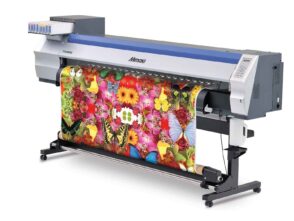
On the other hand, dye-sublimation polyester banners are known for their high-quality printing capabilities. This printing technique involves transferring dye onto the fabric using heat, producing vibrant colours and sharp images. Dye-sublimation polyester banners are also lightweight and durable, making them popular for outdoor events and trade shows.
Regarding recyclability, both PVC-free eco-banners and dye-sublimation polyester banners have their advantages. Polyester is a recyclable material, meaning both banner types can be repurposed and turned into new products.
Ultimately, deciding between PVC-free eco-banners and dye-sublimation polyester banners will depend on the project’s specific needs. If a recyclable banner is required to replicate the look of a traditional PVC banner, then PVC-free eco-banners may be the best choice. However, if high-quality printing and durability are more important, then dye-sublimation polyester banners may be the way to go.










Leave a Reply
You must be logged in to post a comment.